We supply fitness strength equipment for both the home and commercial use, including classic models such as squat racks, Smith machines, functional trainers, leg press machines and chest press machines, as well as other training equipment. In addition to our standard range, we can also create customised solutions based on specific requirements from our new and regular customers.
Racks & Rigs
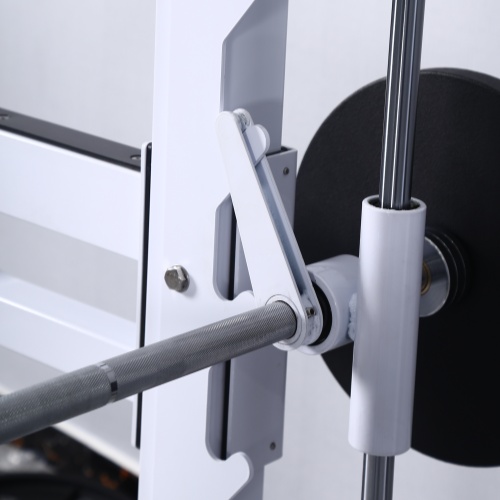
The differences between home racks and commerical racks
The main differences between home gym rigs and commercial gym rigs are their construction strength, durability, dimensions and intended usage frequency. Home racks are generally designed for individual users with a moderate training volume, whereas commercial racks are engineered for continuous daily use in fitness centres, where multiple users perform heavy lifting activities.
Commercial racks typically use heavier steel tubing, thicker materials, reinforced welding and stronger support structures to withstand higher loads and repeated impact. Home racks are usually more compact and lighter, and are designed to optimise space while still providing safe support for regular strength training.
In terms of capacity, home gym racks commonly support moderate lifting loads, while commercial racks are built with higher weight capacities and enhanced stability for professional training environments. Commercial systems often include additional safety features, such as heavy-duty spotter arms, safety straps and reinforced J-hooks, as well as multiple attachment options to support a wider range of exercises.
They also provide greater adjustability, with more precise hole spacing, stronger uprights and compatibility with accessories such as cable systems, dip attachments, landmine units, storage solutions and functional training equipment. Home gym versions usually offer fewer attachment options, but they provide a practical solution for personal training spaces.
In terms of logistics and installation planning, home gym racks generally require less floor space and lighter packaging, and are easier to assemble. Commercial racks, on the other hand, require larger shipping volumes, stronger packaging protection, professional installation and sufficient floor reinforcement due to their heavier structure.
Overall, home gym equipment is designed for convenience and space efficiency for personal use. In contrast, commercial gym equipment is designed for maximum durability, safety, versatility and long-term performance under conditions of frequent use.
